The brand “Mobile 140” is one of the oldest mobile bankers and distributors in the country, and most store owners have purchased from this brand and have a positive image of this brand in their minds. With the drastic change in consumer behavior from in-person shopping to online shopping, “Mobile 140” decides to make a fundamental change in its organization and transform from a traditional banker to an online store of digital goods. The main advantage of this brand can be seen in two areas:
Providing completely competitive prices due to proper supply
Strong adherence to professional and ethical principles and providing completely original products
However, for this transitional period, there were challenges and issues that prevented this from happening:
Low end-consumer trust in the online store “Mobile 140” due to low brand awareness among this group
Traditional nature of the organization’s internal processes and culture and inconsistency with future goals and perspectives to become a fully professional digital store
Inconsistency of the range of products offered on the website (mobile, laptop, game console, etc.) with the brand name, which was limited to mobile only.
Experience gained
Initially, a detailed internal organizational diagnosis was carried out to discover all the processes, values, internal culture of the organization, long-term goals, capabilities, resources, etc. After this problem-solving, the brand image of “Mobile 140” was found among the store owners and end consumers who had purchased from this brand. Finally, a strategy was designed for the brand, which included the following:
Developing a new portfolio and designing the brand architecture in such a way that the name “Mobile” would not limit development in the future and focusing on the new parent brand that would increase the scope of activity.
Changing the internal organizational structures from traditional to modern. (Of course, at this stage, the gradual change was considered so that the organization could implement it)
Changing communication programs and emphasizing the brand’s good reputation in the past to build trust among end consumers
Designing a communication campaign based on the brand’s new identity and goals
We hope that Brand 140 will implement its plan carefully by using the brand mentoring system along with the combined consulting program.
Brand Visual Solutions
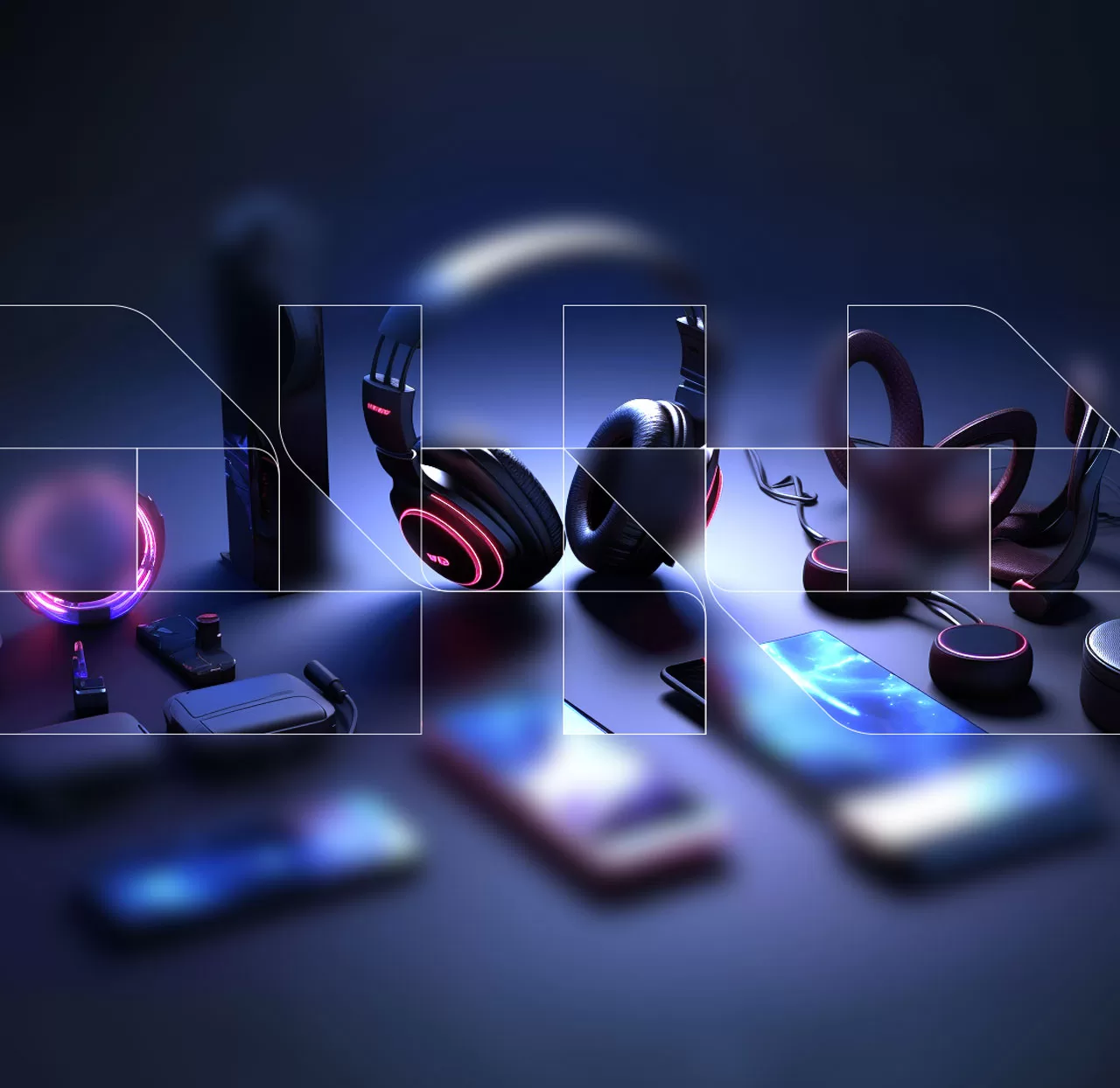
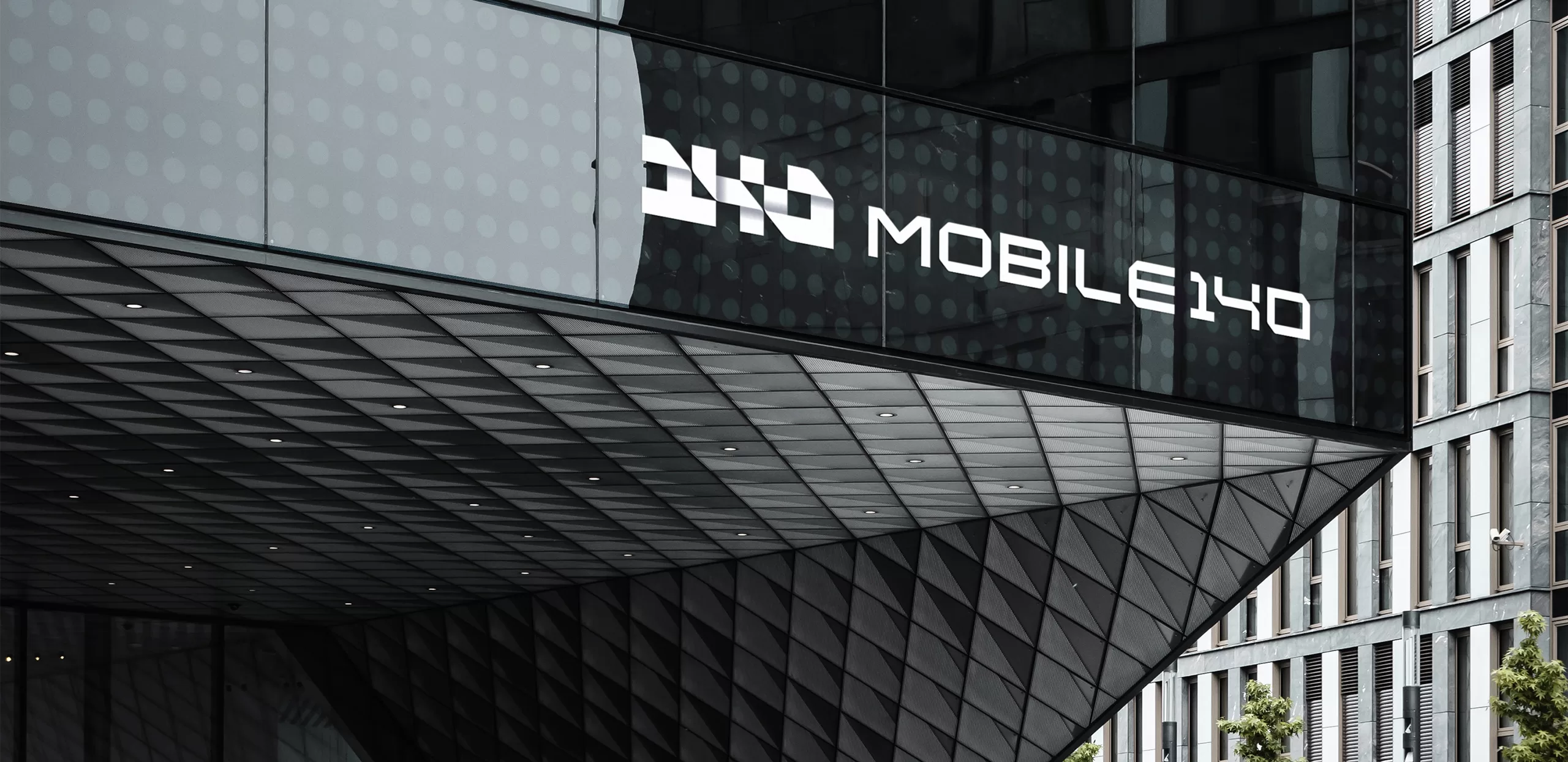
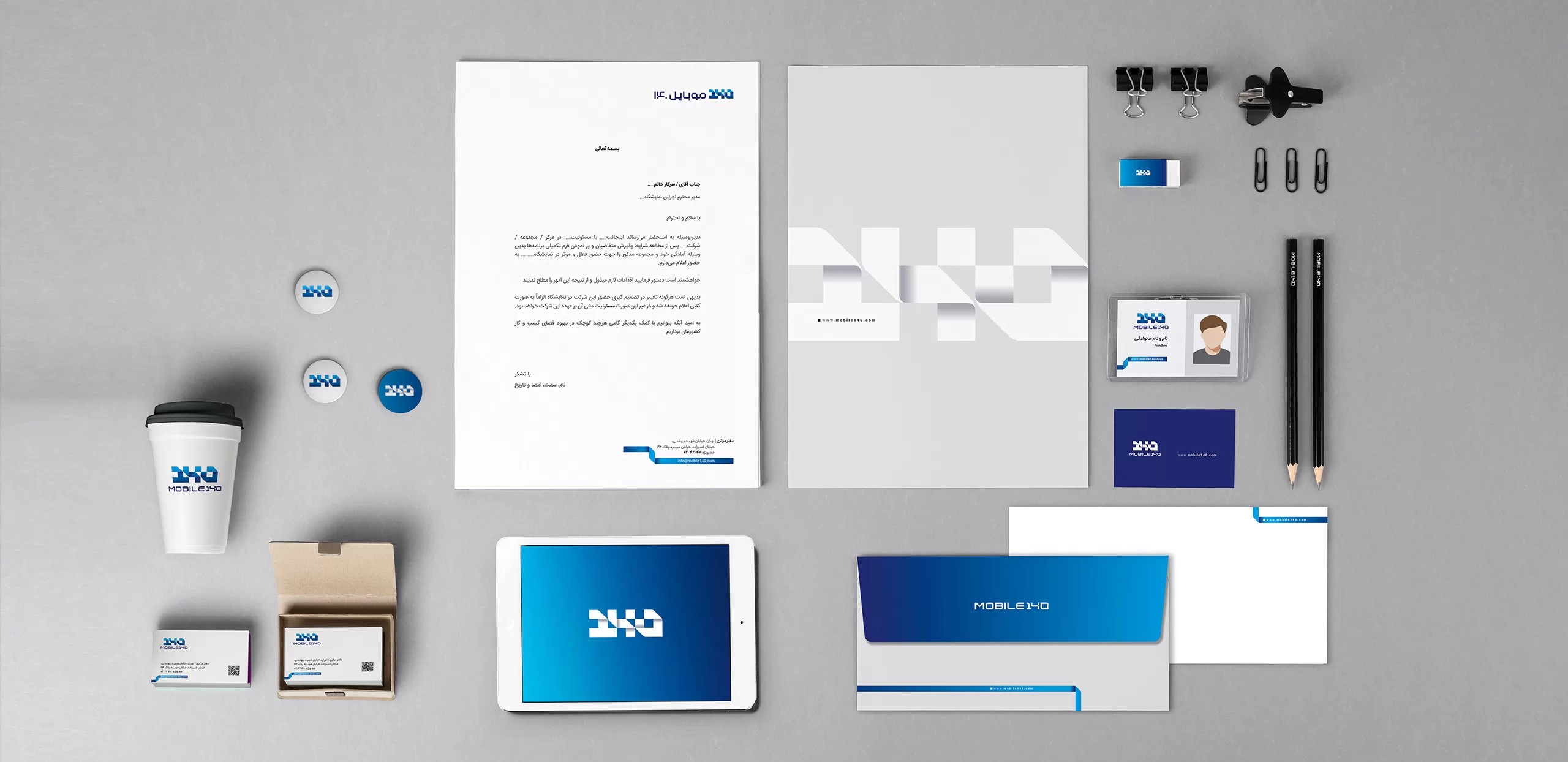
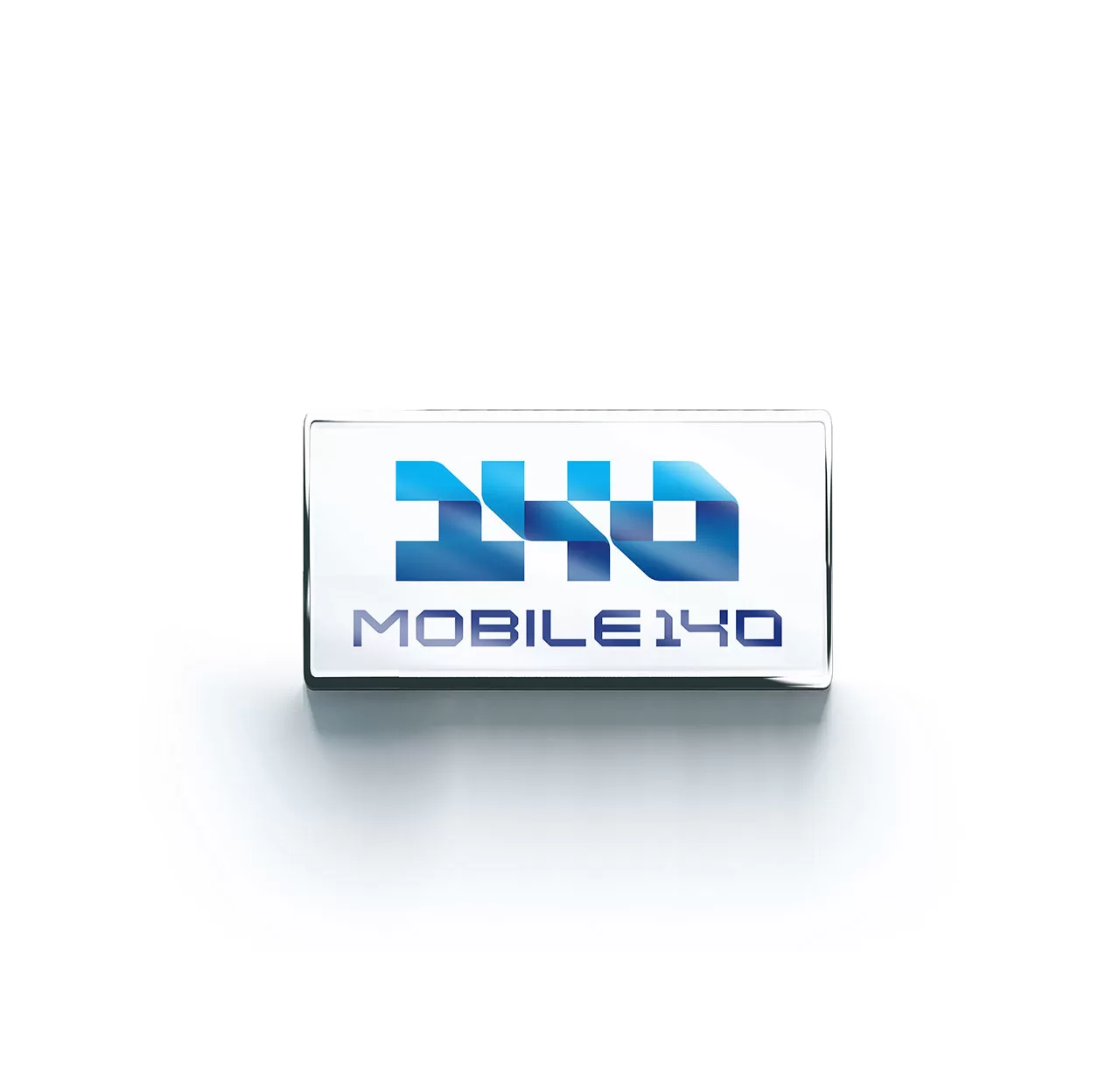
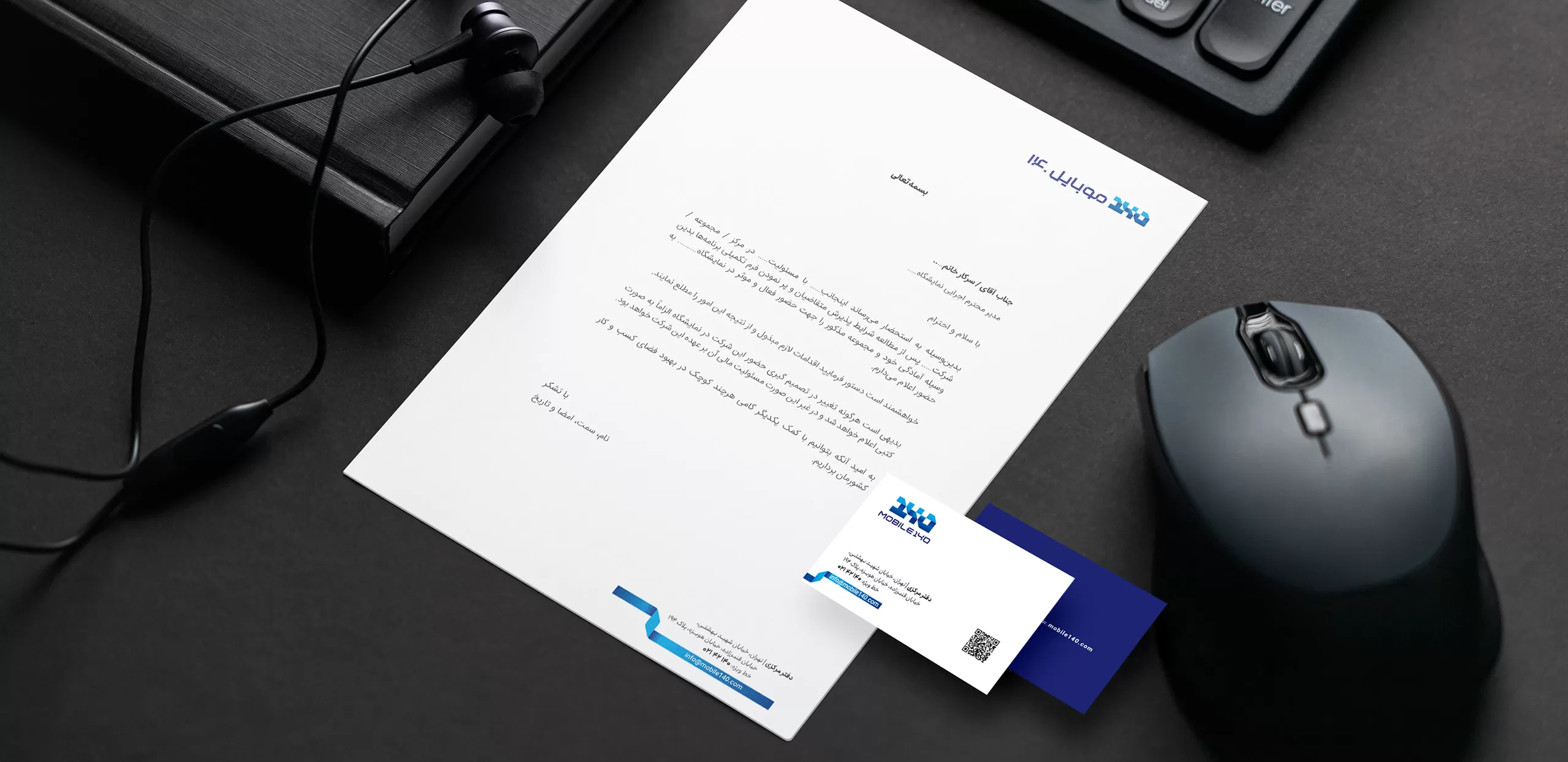
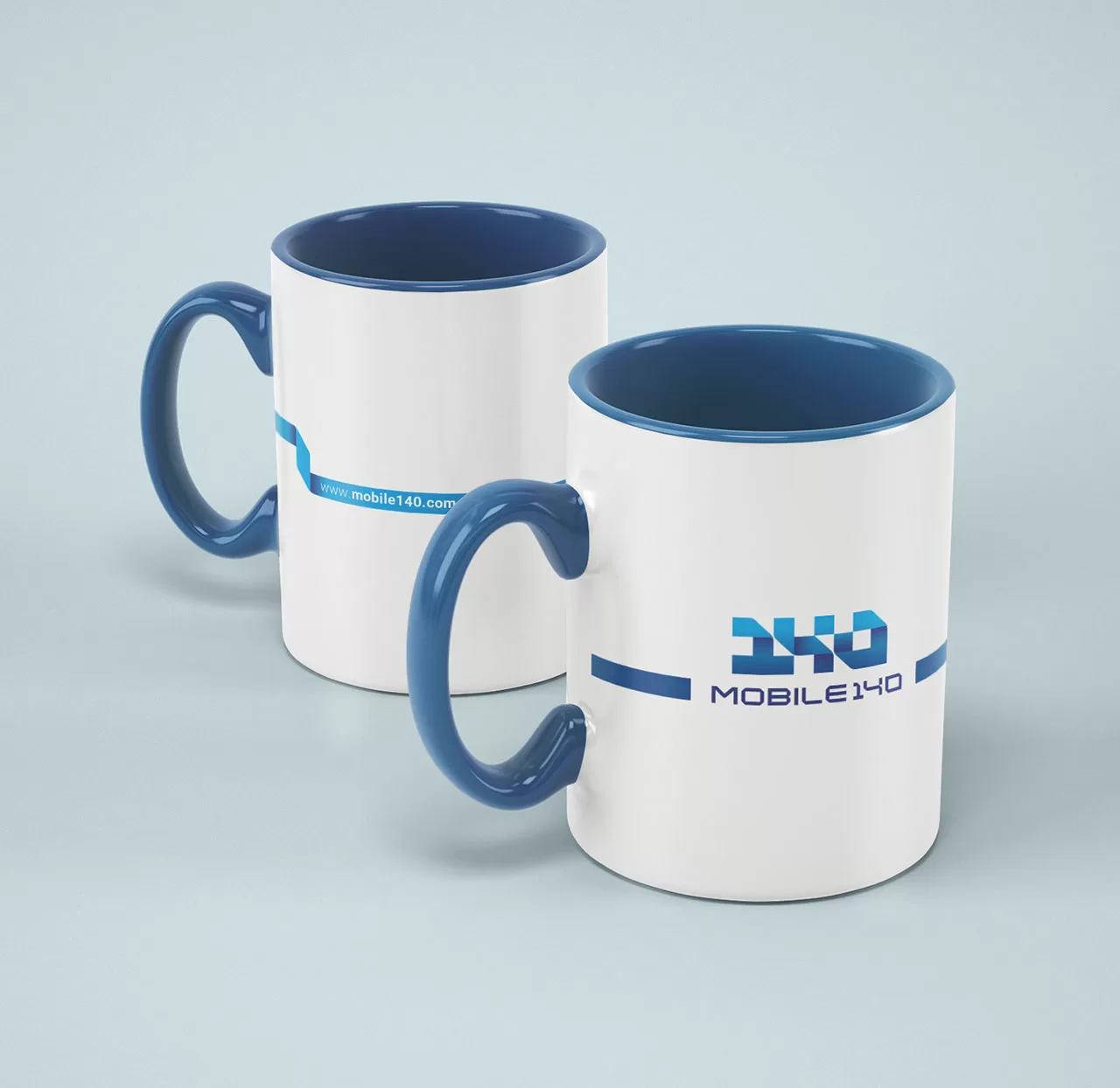
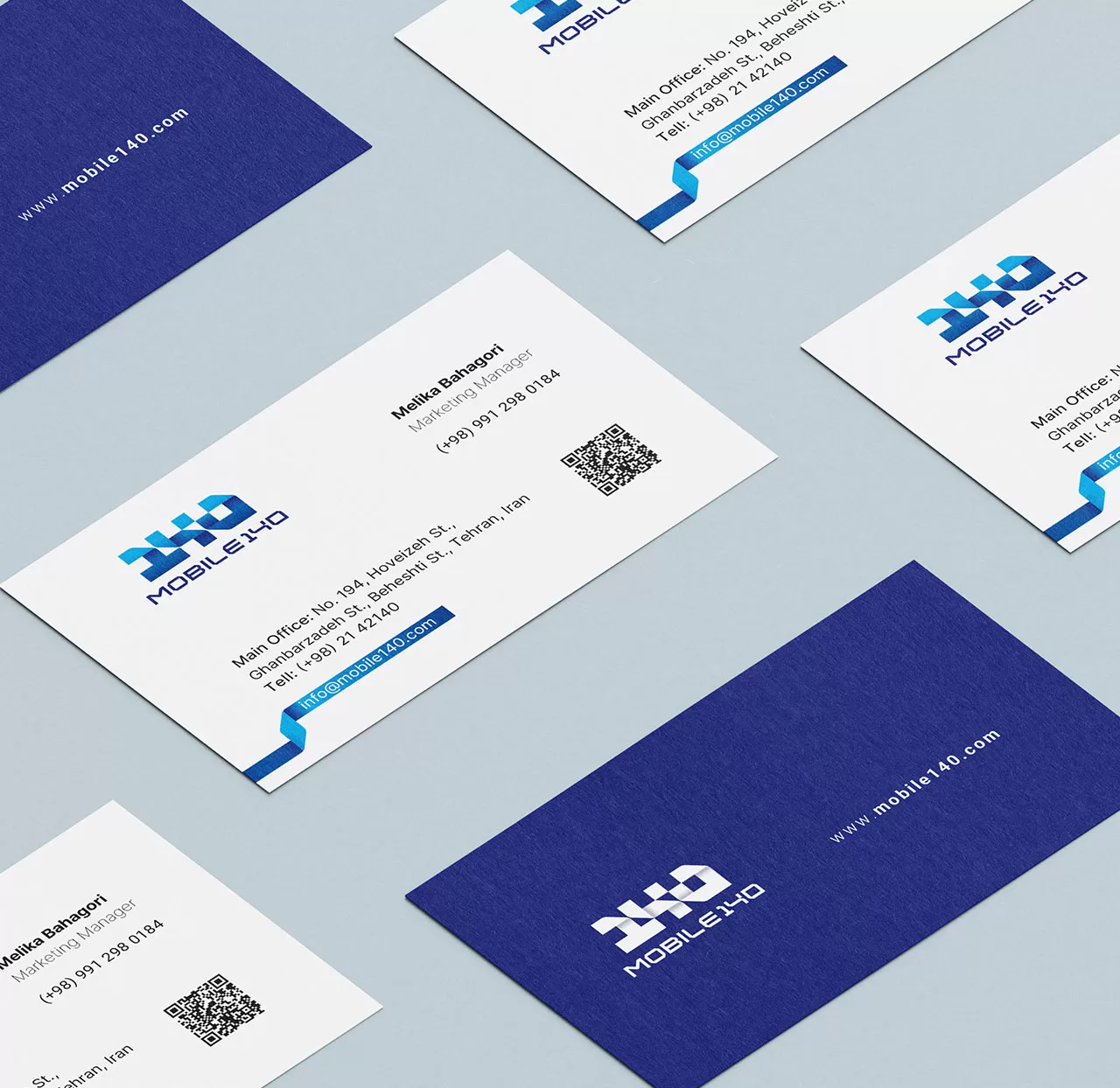
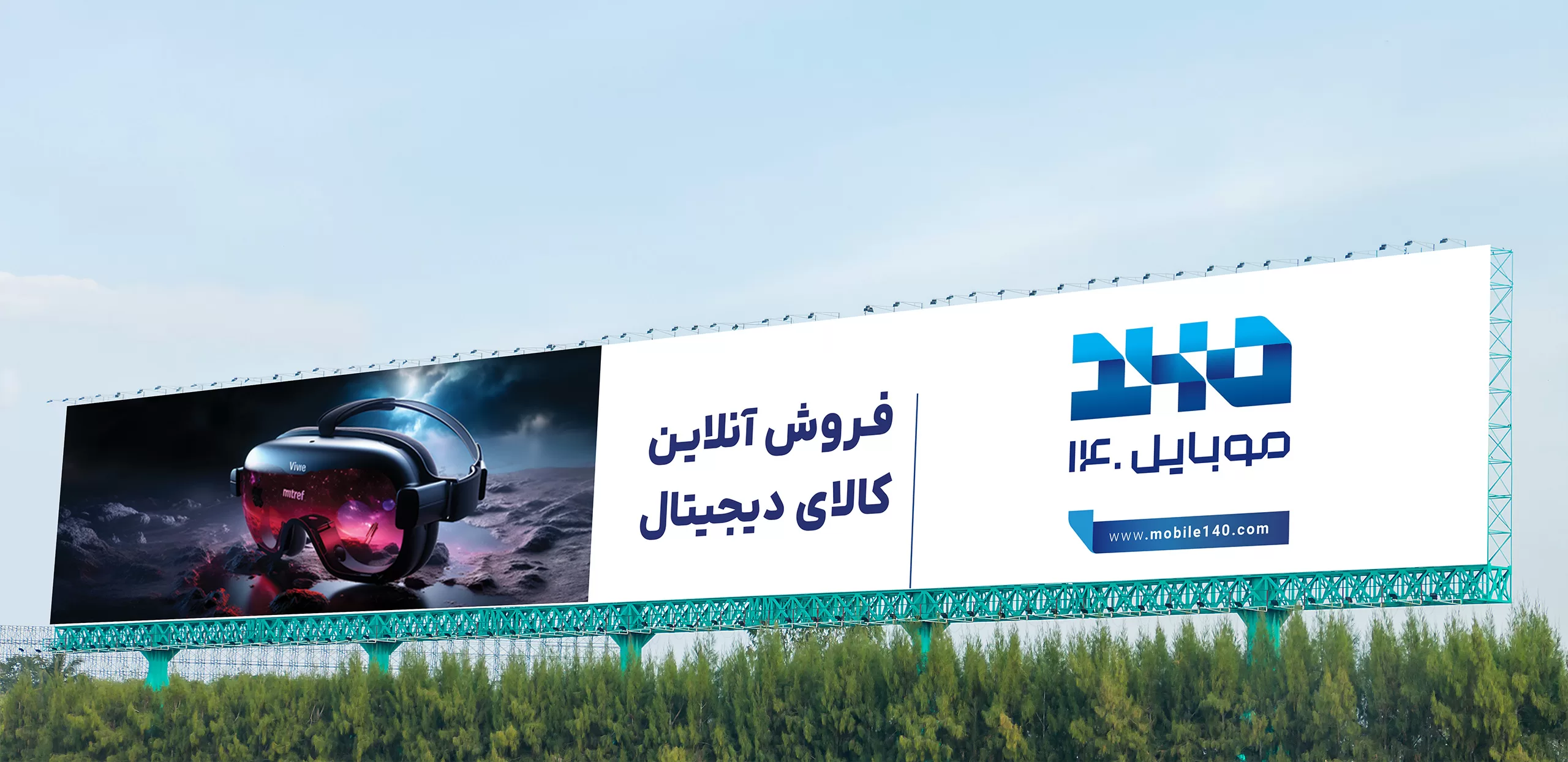
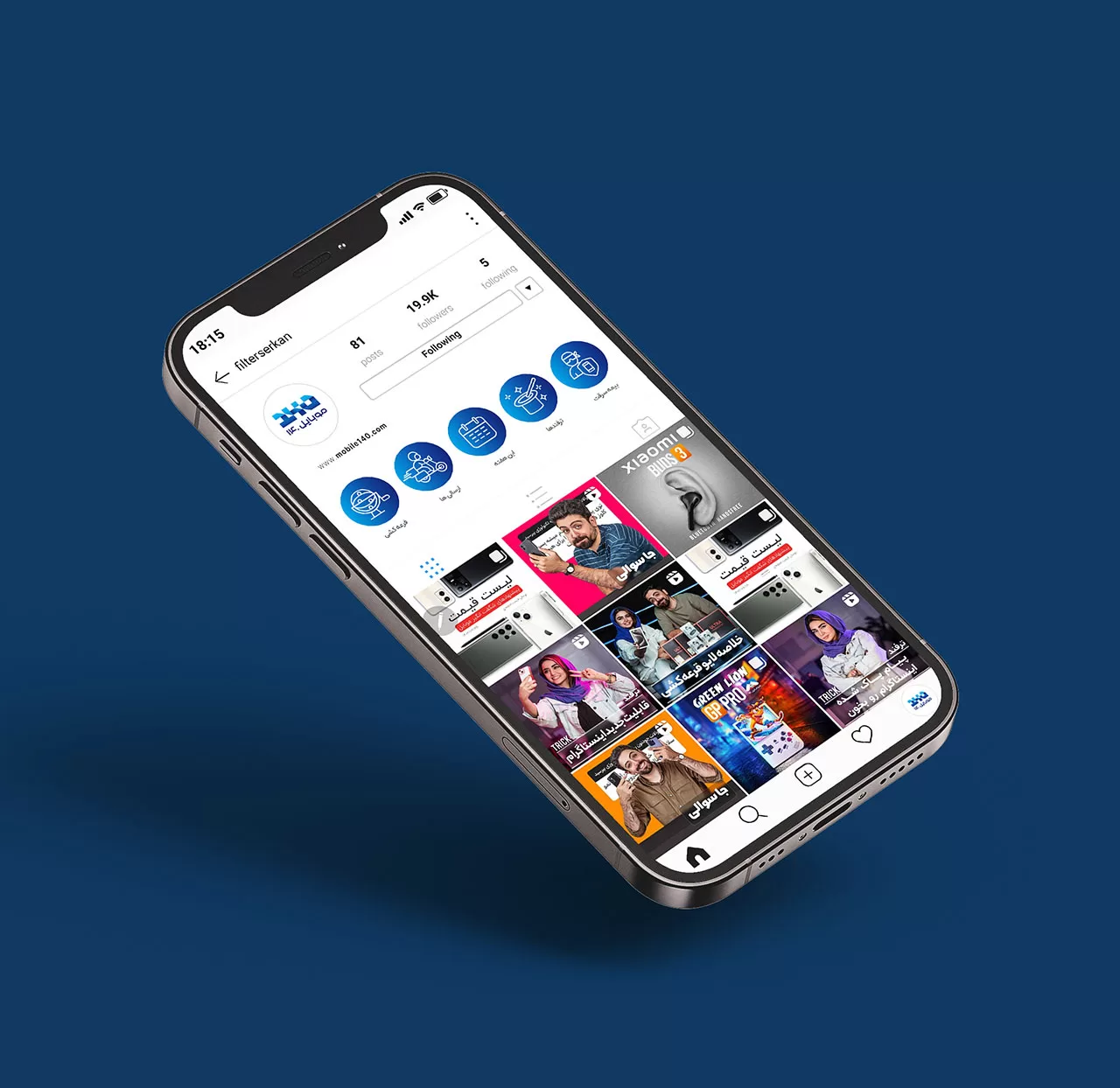
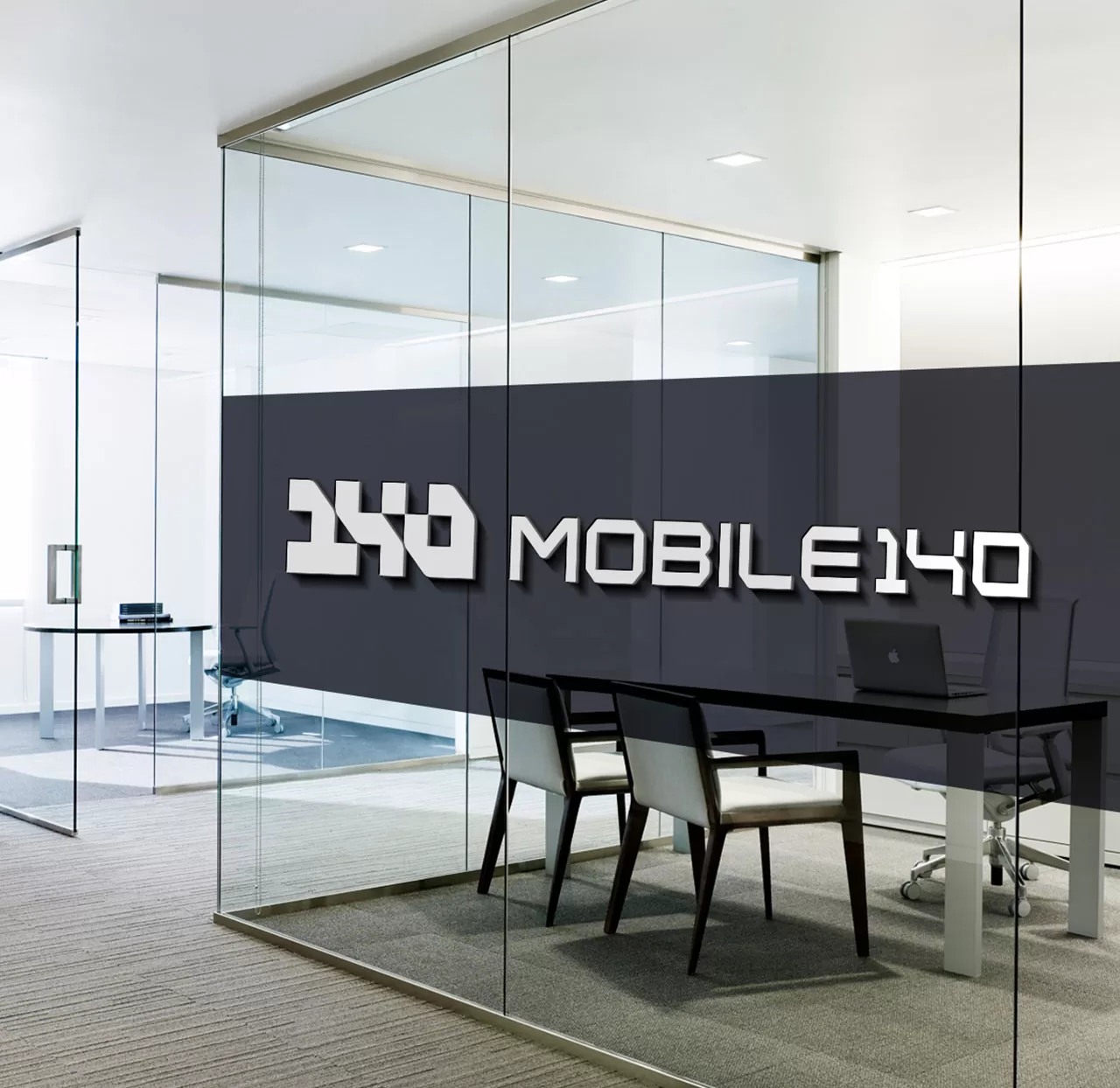
The new Mobile 140 logo was a representation of the digital world with the association of square pixels. In the development of the visual identity guideline, an attempt was made to create related designs for the brand using this form so that the forms would be repeated in the minds of the audience.
The ribbon that created the logo also formed the logotype, and using this movement, other points of contact with the audience were also integrated with designs and a unit that conveyed the message to the audience. The brand pattern was also designed with this form and developed into visual identity items.